

901 Oil and Gas Hazard Awareness

Modules:
7
Hours:
6
Sectors:
Oil & Gas
Target Audience:
Contractor, Employee, Manager, Supervisor
Fee

Description

Course Description
Organizations involved in the oil and gas extraction sector are responsible for exploring, operating, and developing oil and gas fields as part of upstream industry operations. This course provides important information and resources designed to help employees and employers recognize potential workplace hazards and take appropriate steps to eliminate or reduce risks in oil and gas environments. It also reviews relevant OSHA regulations along with commonly accepted industry standards and best-practice guidelines that focus on recognizing, preventing, and managing exposure to workplace hazards.

IACET Accreditation
OSHAcademy holds accreditation from the International Accreditors for Continuing Education and Training (IACET) and provides IACET Continuing Education Units (CEUs) for courses that comply with American National Standards Institute (ANSI) and IACET standards. IACET is widely acknowledged worldwide for supporting high-quality continuing education and professional training programs.

Free Access
Students enrolled with OSHAcademy can access all course materials at no cost, including learning resources, knowledge assessments, and course exercises. Official proof of completed training such as exam results, certificates, and academic transcripts can be obtained by purchasing a certificate package.

Course Objectives
By the completion of this course, participants should be able to accomplish the following:

ID Objective
TO 1.0 Successfully complete the final course assessment with a score of at least 70%.
LO 1.1.1 Explain common job roles at oil and gas worksites and identify the hazards related to those tasks.
LO 1.2.1 Explain the risks linked to the use of specific tools and equipment commonly found at oil and gas facilities.
LO 1.3.1 Identify hazards related to crane operations, manual material handling, blowouts, derrick failures, and hydrogen sulfide exposure.
LO 1.4.1 Describe dangers associated with flammable or combustible liquids, electrical hazards, fire risks, moving machinery, and tool usage.
LO 1.5.1 Explain the risks related to confined spaces, pressure vessels, compressed gases, drilling activities, and lockout/tagout procedures.
LO 1.6.1 Discuss hazards connected to welding operations, slips, trips and falls, fall protection issues, ergonomics, vehicle safety, and severe weather conditions.
LO 1.7.1 Recognize health-related hazards such as silica dust, hydrogen sulfide exposure, worker fatigue, and extreme temperature conditions.
Key Topics
  • ✔ General Safety and Health Hazards
  • ✔ Drilling Site Jobs
  • ✔ Drilling Operation Accidents
  • ✔ Task-specific Accidents
  • ✔ Crane
  • ✔ Derrick
  • ✔ and Hoist Hazards
  • ✔ Material Handling Hazards
  • ✔ Blowouts
  • ✔ Flammable and Combustible Liquids
  • ✔ Lightning and Static Electricity
  • ✔ Hot Work (Welding) and Fire Safety
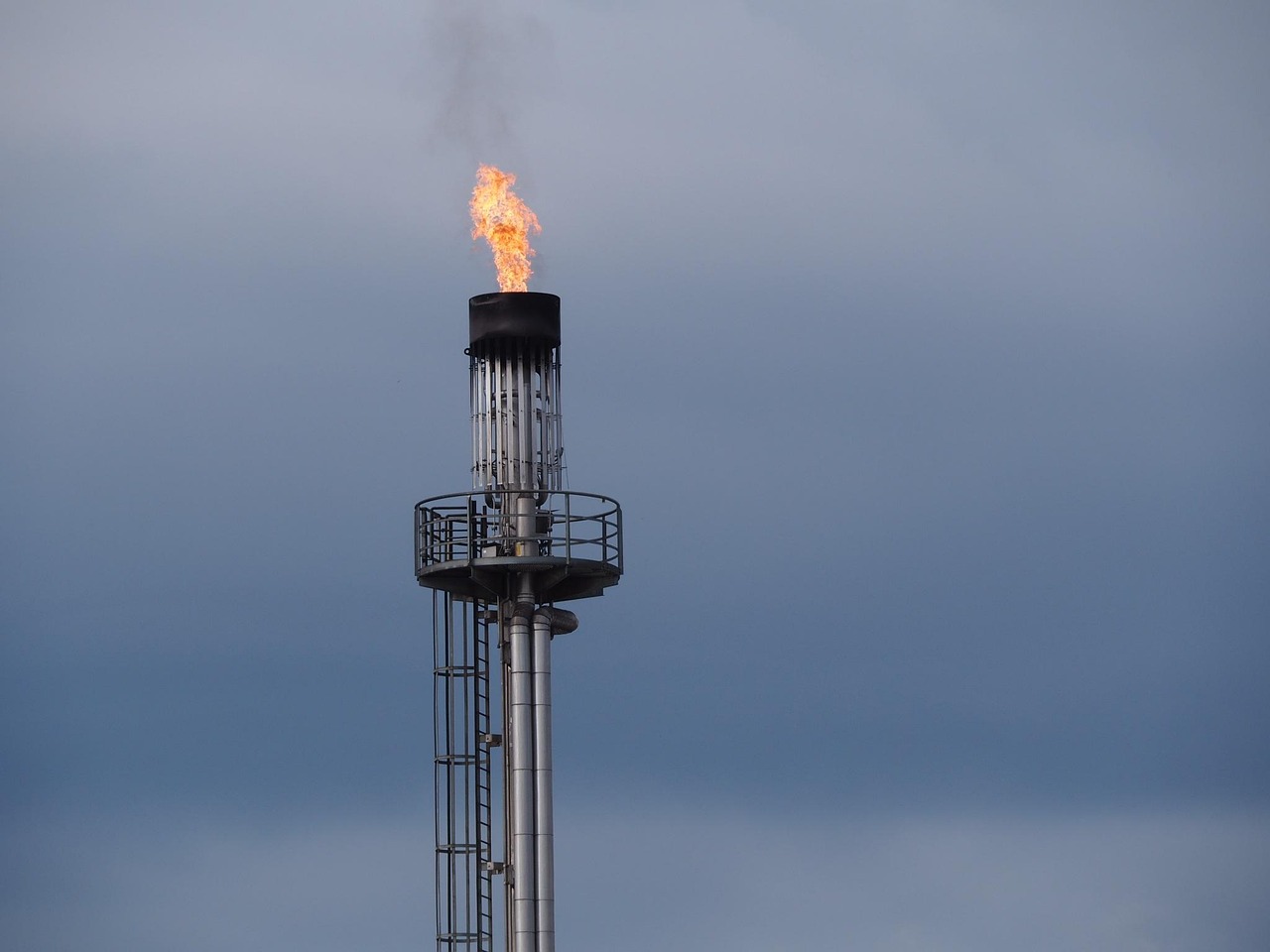
  • ✔ Flare Pits and Lines
  • ✔ Exposure to Rotating Parts
  • ✔ Circulating Fluid Systems
  • ✔ Hand and Power Tools
  • ✔ Confined Spaces
  • ✔ Ergonomics
  • ✔ Exposure to Silica and Hydrogen Sulfide Gas

Testimonials

Related Courses

Get in Touch Today

Contact us for course details, business discounts, or certification support.

Scroll to Top