
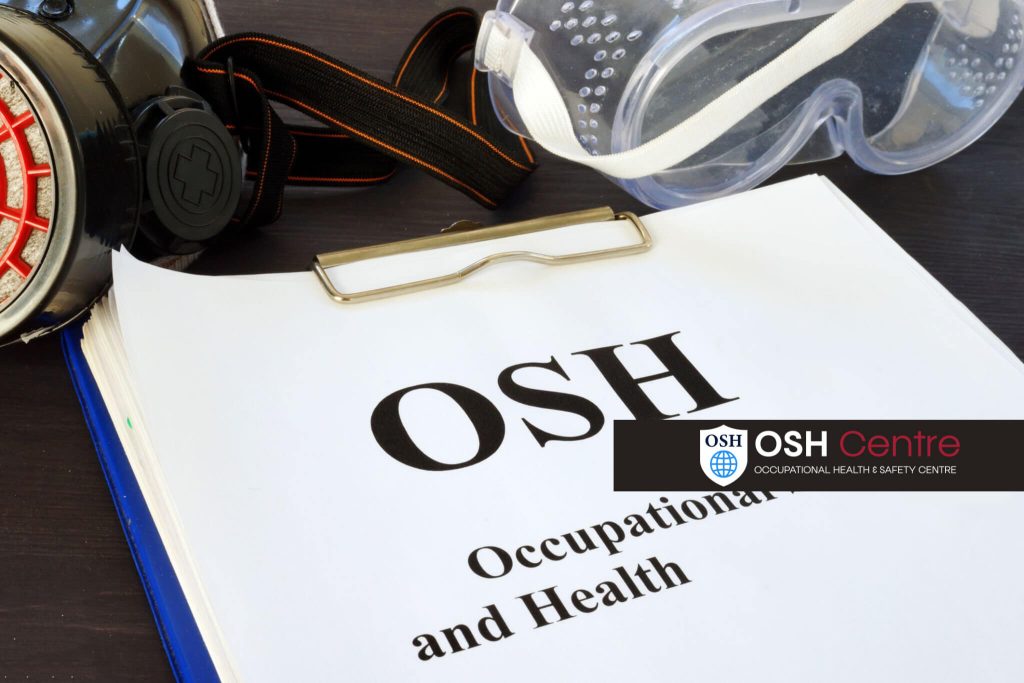
The purpose of a respirator is to prevent the inhalation of harmful airborne substances and/or protect against oxygen-deficient atmospheres.
What Is a Respirator?
- A respirator is an enclosure that covers the nose and mouth or the entire face or head.
- Respirators come in many types, models, and sizes, designed for different hazards and levels of protection.
- The appropriate type of respirator depends on:
- Professional judgment
- The type of airborne contaminant, its concentration, and potential health effects
- Applicable regulations
When exposure information is limited, professional judgment should lean toward more protective respirators.
- Facilities should have written policies and training programs specifying who to contact for questions about respirator use.
Examples of Respiratory Hazards
1. Particulates
- Airborne particles such as dust, fibers, fumes, mists, soot, and smoke.
- Particles smaller than 10 micrometers can enter the respiratory system easily.
2. Gases and Vapors
- Gases spread freely in air.
- Vapors are gaseous states of liquids or solids at room temperature.
- Both are classified by their chemical form and potential hazards.
3. Biological Organisms
- Include bacteria, viruses, fungi, and other living organisms that can cause respiratory infections.
4. Oxygen-Deficient Atmospheres
- Normal air has 20.8% oxygen by volume.
- Air with less than 19.5% oxygen is considered oxygen-deficient and immediately dangerous to life and health (IDLH).
- Effects of oxygen deficiency include impaired thinking and coordination, unconsciousness, and death.