
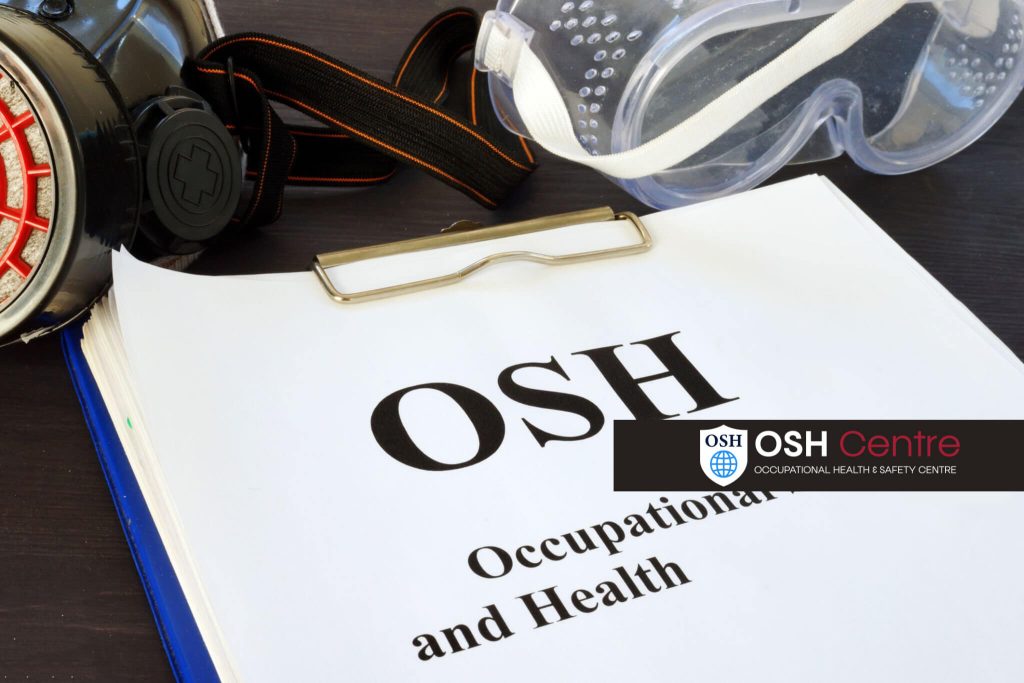
Respirators and Their Role in Protection
A respirator is a device designed to protect workers from inhaling hazardous substances, including chemicals, dust, and infectious particles. Respirators are critical pieces of personal protective equipment (PPE) when working in environments with airborne hazards.
Example: Workers removing lead-based paint should always wear a properly fitted respirator to prevent inhalation of lead dust or fumes.
Selecting the Right Respirator
Choosing the appropriate respirator requires a thorough assessment of workplace operations, processes, or environments that could generate respiratory hazards. Key factors include:
- The specific type of hazard present.
- Airborne concentrations of the hazard.
- Duration and frequency of exposure.
This assessment should be conducted by a qualified industrial hygienist or another competent person familiar with respiratory hazards.
How Respirators Protect You
Respirators function in one of three main ways:
- Filtering airborne particles – traps dust, fumes, or other particulates before they are inhaled.
- Chemical purification – removes specific gases or vapors from the air.
- Supplying clean air – delivers uncontaminated air from an external source when filtration or chemical removal is insufficient.
Proper selection, fit testing, and use of respirators are essential for ensuring effective protection in hazardous environments.