
Introduction
A dental office uses a wide range of tools and instruments every day. To maintain a safe and hygienic environment, these tools must be properly cleaned and sanitized after each use. Doing so protects both patients and dental staff from the spread of infectious diseases and other health hazards.
Personal Protective Equipment (PPE)
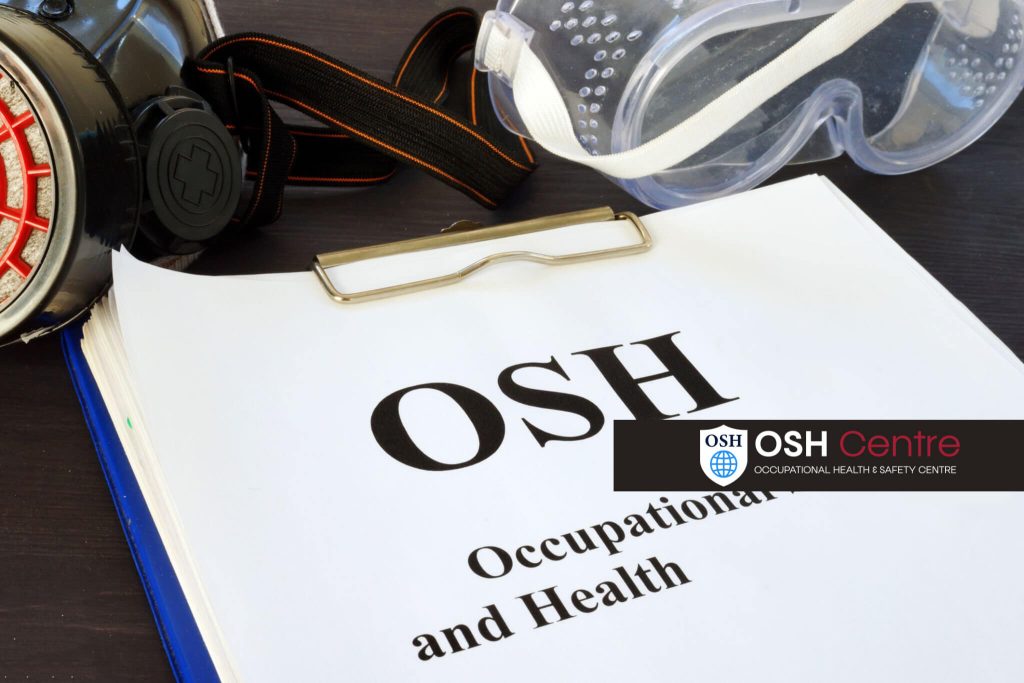
During dental procedures that may produce splashes or sprays of blood or body fluids, workers must use appropriate personal protective equipment to minimize exposure risks. This includes:
- Surgical masks that cover both the nose and mouth
- Protective eyewear with solid side shields or a face shield
- Patient eyewear to shield their eyes from debris generated during procedures
When a surgical mask becomes damp from exhaled air, its ability to filter effectively decreases, allowing airflow—and potentially contaminants—to pass around the mask edges. Therefore:
- Masks should be changed between patients, and even during treatment if they become wet.
Additional Employee Safety Practices
To further reduce exposure to infectious materials and maintain a sterile work environment, dental staff should follow these essential hygiene and safety protocols:
- Wash hands, face, and forearms before eating, drinking, smoking, or applying cosmetics.
- Avoid bringing food, drinks, cosmetics, or tobacco into clinical or lab areas.
- Wear gloves and arm sleeves to minimize skin exposure.
- Do not enter eating areas wearing contaminated protective clothing.
- Store street clothes separately from work clothes in a clean designated area.
- Keep work clothes clean throughout the shift.
- Vacuum clothing before removal—never clean by blowing or shaking.
- Wipe shoes before leaving the work area if booties aren’t worn.
- Do not wear protective clothing home or take it for personal laundering; it should be cleaned professionally or on-site under proper infection-control standards.