
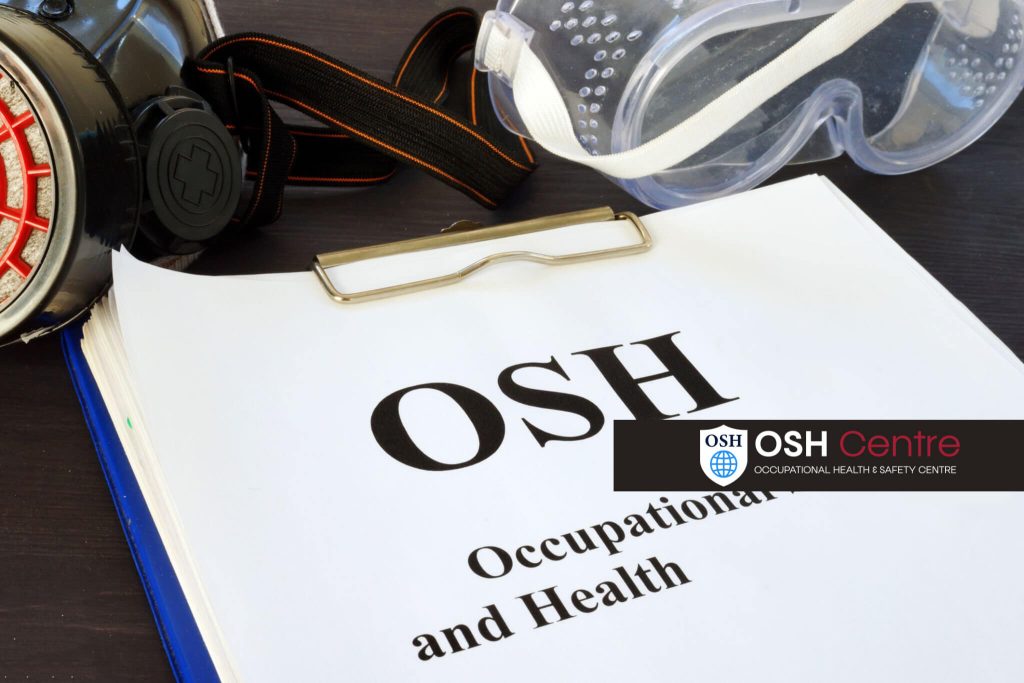
When engineering controls, work practice controls, and administrative controls are not feasible or fail to provide sufficient protection, employers must provide personal protective equipment (PPE) to employees and ensure it is properly used.
PPE serves as the last line of defense against workplace hazards and must be selected, maintained, and used correctly to be effective.
Safety 101: Understanding PPE
Personal Protective Equipment (PPE) refers to specialized clothing or equipment worn by employees to minimize exposure to a variety of hazards that could cause serious injuries or illnesses.
Common examples include:
- Gloves
- Safety glasses or goggles
- Face shields
- Hard hats
- Protective footwear
- Hearing protection (earplugs, earmuffs)
- Respiratory protection
- Full-body suits or chemical protective clothing
PPE does not eliminate hazards, but rather reduces the risk of exposure to acceptable levels when other control measures are insufficient.
OSHA and EPA Regulations
The Occupational Safety and Health Administration (OSHA) and the Environmental Protection Agency (EPA) both establish regulations governing the proper use of PPE.
- OSHA PPE Standards:
Found in 29 CFR Part 1910.132–138, these standards outline employer responsibilities for assessing workplace hazards, selecting suitable PPE, training employees, and maintaining equipment. - EPA Requirements:
Under 40 CFR Part 300 (National Contingency Plan), all private contractors performing work on Superfund sites must comply with applicable OSHA PPE standards and any additional federal or state safety requirements established by the lead agency overseeing cleanup activities.